
Many businesses and government agencies are now leveraging AI to build websites, applications, and transform how they provide services to their customers and residents.
AI is known to create accessibility barriers and has historically been unable to remove them completely. The most recent annual WebAIM survey started after noting a substantial shift towards more inaccessible pages:
“These trends likely reflect broader shifts in web development including increased reliance on 3rd party frameworks and libraries and automated or AI-assisted coding practices (“vibe coding”). Home pages are getting larger and more technologically complex at an alarming rate, making accessibility more difficult to achieve and maintain.”
Also, please see the US Federal Trade Commission’s lawsuit against an AI accessibility company’s claims about achieving compliance.
But now, AI’s helping draft and file the claims! Here’s the story behind how AI is behind the rise in ADA accessibility claims being filed across the US.
With Claude and ChatGPT, The Rise in Pro Se ADA Accessibility Litigation Should Have Been Anticipated
Pro se means the plaintiff represents themselves without a lawyer. When you take the lawyer out of the equation, you remove the single largest cost and the single largest source of friction in bringing a discrimination claim. Enter Claude, ChatGPT, and Gemini.
When $20 is the cost of competently mimicking a lawyer’s work, we should have anticipated that more people with disabilities would be filing lawsuits. This is America after all, the land of the home, the free, and the litigated.
Who Should Fear the Wave of ADA Accessibility Lawsuits Drafted By AI?
Most organizations are afraid of predatory law firms whose entire business is drive-by demand letters and litigation. The 5000 lawsuits filed in 2025 make that fear understandable, justifiable, and real.
However, what they should really be afraid of is how AI is enabling even more ADA accessibility lawsuits to be filed without lawyers drafting the initial claims. A serial plaintiff firm works from a finite list of targets, follows recognizable patterns, and can be negotiated with. AI on the other hand needs no firm, no retainer, and no referral. Also not a fan of naps or potty breaks.
Behind every pro se lawsuit is a very angry plaintiff who has time to invest. Meaning every barrier on your site can now result in a serviceable federal filing that’s created with 1 prompt, some formatting edits, and an email. I no longer need to retain a lawyer when I’ve got my AI lawyer Claude!
How Many Pro Se Federal Lawsuits Were Filed In 2025?
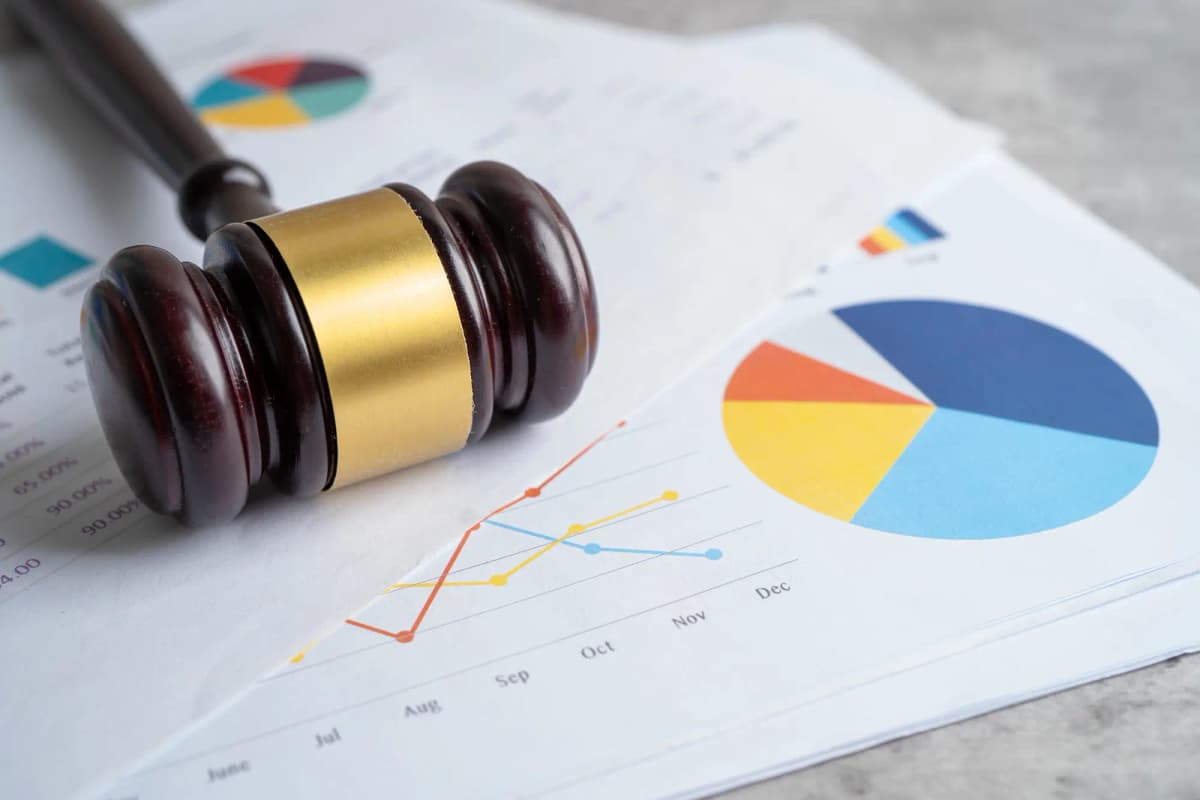
Reporting on this trend documents federal pro se ADA Title III filings up about 40 percent in 2025 over 2024, and pro se Fair Housing Act filings up roughly 69 percent over the same period, a surge attributed largely to plaintiffs using generative AI to draft their complaints.
AI is not creating a rise in demand for ADA accessibility lawsuits. AI removes the financial and time barriers of finding a lawyer to file your case. The result is more people with disabilities are able to take their rights into their own hands, thanks to Claude, ChatGPT, and Gemini.
What Is the State with the Highest Rates of ADA Accessibility Claims & Lawsuits?
California is the most dangerous state for an ADA accessibility claim due to the combination of California’s local laws and the federal laws under the ADA. California’s Unruh Civil Rights Act, when paired with the ADA, means ADA violations automatically constitute Unruh Act violations.
Here’s why California is the most dangerous state to get hit with an ADA accessibility claim. Unlike the ADA, Unruh has automatic financial damages with a statutory minimum of $4,000 per violation.
Who Is Subject To Penalties Under Unruh For Accessibility Violations?
If your website can be accessed by individuals in California, it is subject to Unruh’s automatic financial damages, with a statutory minimum of $4,000 per violation. This regulation is not limited to businesses, retailers, or people selling goods or services online.
The inaccessible barrier is the violation, and intent does not matter. A single inaccessible site visited three times can be framed as a $12,000 claim. In short, anyone with a website that touches California residents can be sued in California, and the only durable defense is to be accessible before the demand letter arrives.
How Do You Avoid ADA Accessibility Lawsuits?
When there are no barriers, there are no claims. An organization that conforms to WCAG 2.1 Level AA and maintains that conformance is not made safer by tort reform. It was already safe, because it was already accessible.
ADA accessibility lawsuits are no longer coming from just predatory law firms.
ADA lawsuits are driven by organizations not using the widely publicly available tools, teachings, and documentation on how to comply.
Cheap AI tools means disabled plaintiffs don’t need to convince a $400- or $600-an-hour lawyer that they have a good case. They can pay $20 per month for AI and get a similar result.
Did you know websites are not the only source of accessibility barriers? PDFs, forms, digital documents, and videos can also pose compliance risks. Learn the fundamentals of PDF accessibility and prevent ADA accessibility claims with PDF Accessibility Simplified: Phase 1 – Accessibility Fundamentals
How To Protect Yourself From ADA Accessibility Claims?
We know. Accessibility compliance can feel overwhelming, especially as litigation risk continues to grow. AccessAbility Officer helps municipalities and government agencies serving more than 30 million residents collectively identify barriers, reduce compliance risk, and improve access to critical digital services.
Through Digital Accessibility Audits, Accessibility Training, and Accessibility Management, you can identify, remediate, and prevent accessibility barriers across your organization’s websites, PDFs, applications, and digital services.
How do you remove accessibility barriers before users encounter them? Learn how AccessAbility Officer can help your organization build a stronger accessibility program today.