

TL;DR: State and local government agencies need to rethink their reliance on handwritten paper forms. Making those forms accessible to people with disabilities requires considerable time and resources, and most organizations are not positioned to invest in either. Digital forms built to current accessibility standards have become the more practical path to compliance with Title II of the Americans with Disabilities Act.
What Title II Requires
Title II of the ADA applies to all state and local government entities, including city and county agencies, public schools and universities, libraries, courts, and transit authorities. These organizations must ensure that their programs, services, and communications are accessible to people with disabilities. That includes people who are blind or have low vision, individuals with motor impairments that affect their ability to write by hand, and people with cognitive disabilities who may struggle with poorly organized or unclear forms.
In 2024, the Department of Justice finalized a rule requiring that web content and mobile applications published by Title II entities meet the Web Content Accessibility Guidelines (WCAG) 2.1 Level AA. While that rule targets digital content, it has prompted organizations to take a broader view of all their public-facing materials, including paper forms.
Why Paper Forms Are Difficult to Make Accessible
A handwritten form that meets accessibility requirements is not merely a paper form. To be genuinely accessible, an organization would need to offer a large-print version for people with low vision, an accessible electronic version for people who use screen readers, alternative formats such as Braille or audio upon request, and staff assistance for individuals who cannot physically complete a written form. The organization also needs a process for handling those requests that does not create unreasonable delays or require people to jump through extra steps to get access to a standard service. Finally, if that form is incorporated into a larger packet at the Title II organization, it must be made accessible before it is publicly distributed.
For an agency managing dozens or hundreds of forms, that is a significant ongoing commitment. Each form needs to be maintained in multiple versions. Staff need to be trained in handling accommodation requests. The organization needs to be prepared to respond quickly when someone asks for a format that is not immediately available at the counter.
Most agencies have not built those processes, and many do not have the staffing or budget to build them now. That leaves them with two options: invest in making paper forms accessible, or replace them with digital forms that better meet accessibility requirements.

Printers Are a Dying, Environmentally Unfriendly Technology
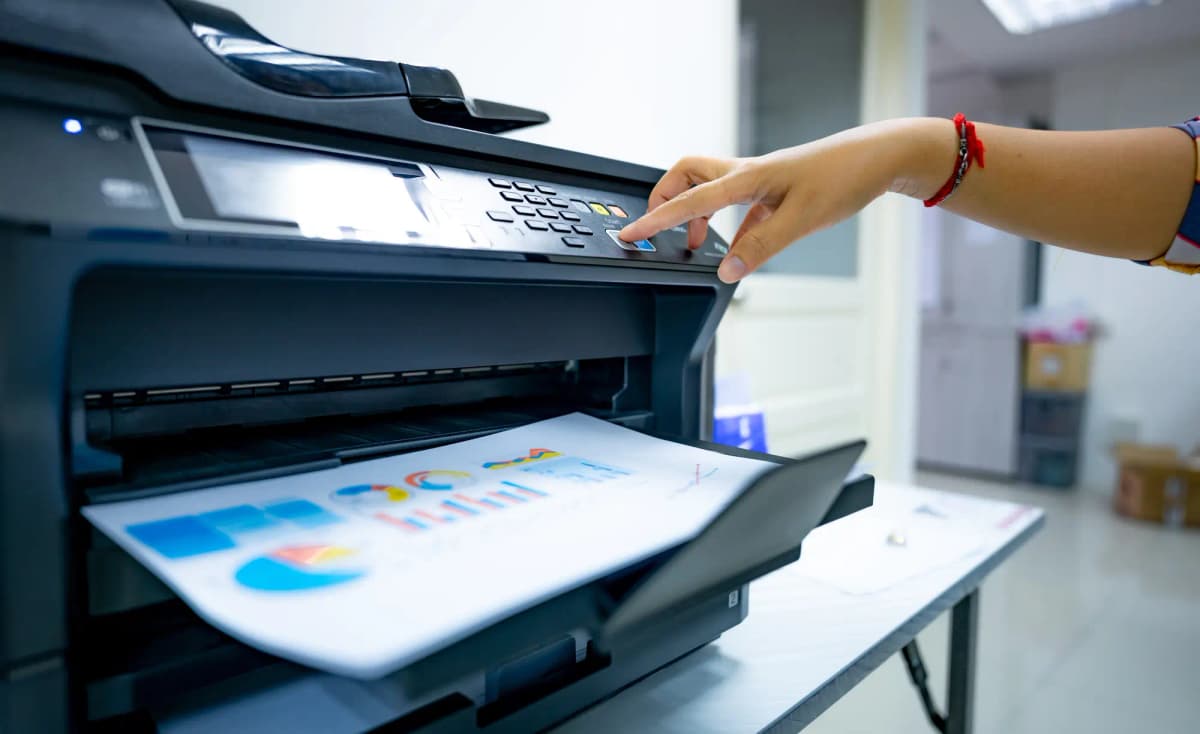
Another factor pushing handwritten forms out of circulation is that many people simply do not have access to a printer at home. The assumption that residents can download a form, print it, fill it out by hand, and return it in person or by mail no longer holds up for a significant portion of the public. Printing has become less common as people manage more of their lives through phones and tablets, and purchasing or maintaining a home printer is a cost that many households skip entirely. When an organization relies on a print-and-sign workflow, it excludes anyone without that equipment, undermining the goal of making public services available to everyone.
There is also an environmental case for moving away from printer-dependent processes. Inkjet and laser printers consume energy during manufacturing and throughout their working life. Ink cartridges are expensive and generate a notable amount of plastic waste, with a large share ending up in landfills rather than being recycled. Paper production itself carries a significant environmental footprint, involving water use, chemical processing, and transportation at multiple stages. When a government agency moves a form online, it removes all of those costs from the equation for every submission going forward. For organizations that process hundreds or thousands of forms per year, that adds up to a measurable reduction in waste and resource consumption.
Why Digital Forms Are the Easier Choice
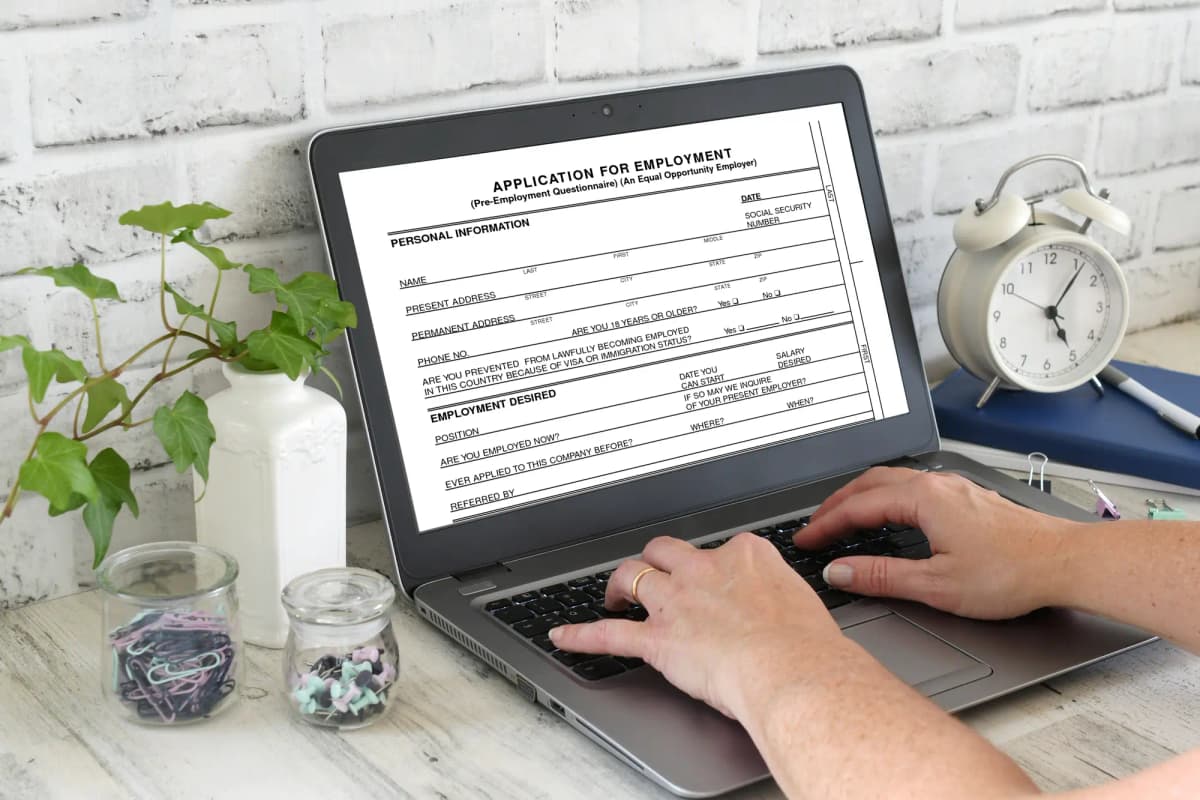
An accessible digital form, built correctly to WCAG 2.1 AA standards, can be used independently by someone with a screen reader. It can be navigated using only a keyboard, which helps people with motor disabilities. It can include clear labels, plain language instructions, and helpful error messages. And once it is built and tested, it serves everyone without requiring additional staff involvement or multiple format versions.
From a compliance standpoint, a well-built digital form is almost always easier and less expensive to maintain than a paper form. Accessible forms typically don’t require accommodations. When you consider that across an entire agency’s full inventory of forms, the case for going digital becomes hard to argue against.
This is why many Title II organizations are not phasing out paper forms as part of a planned digital strategy. They are doing it because maintaining accessible paper alternatives has turned out to be more work than building accessible digital replacements.
What This Means in Practice
Organizations that are moving in the right direction are doing a few things consistently. They are taking inventory of all the forms they currently use and identifying which ones are actively in use, which can be retired, and which need to be replaced with accessible digital versions. They are building new digital forms with accessibility requirements addressed from the start, rather than retrofitting them later. They are testing forms with actual assistive technology before publishing them, not just running them through automated checkers. And they are establishing policies so that new forms are only created in accessible digital formats going forward.
Some organizations are also using this process to simplify forms that have become cluttered over time, reducing the number of fields and improving instruction clarity. The result tends to work better for all users, not just those with disabilities.
The Direction Things Are Heading
Handwritten forms are not disappearing overnight, and paper will remain necessary in some contexts for the foreseeable future. But Title II compliance pressure, combined with the practical difficulty of making paper forms accessible, is steadily narrowing the circumstances in which handwritten forms make sense for public-facing processes.
Organizations that continue to rely on handwritten forms without a plan for accessibility are taking on real legal and operational risk. The Department of Justice has made clear that it will take accessibility complaints seriously, and the standard for what counts as accessible has become more specific and more enforceable over time.
For most Title II organizations, the practical question is no longer whether to move away from handwritten forms, but how quickly they can do it and how to prioritize which forms to address first.
Note: This article is intended for informational purposes only and does not constitute legal advice.